- Can I track multiple spirit types (gin, whiskey, vodka) in Craftybase?
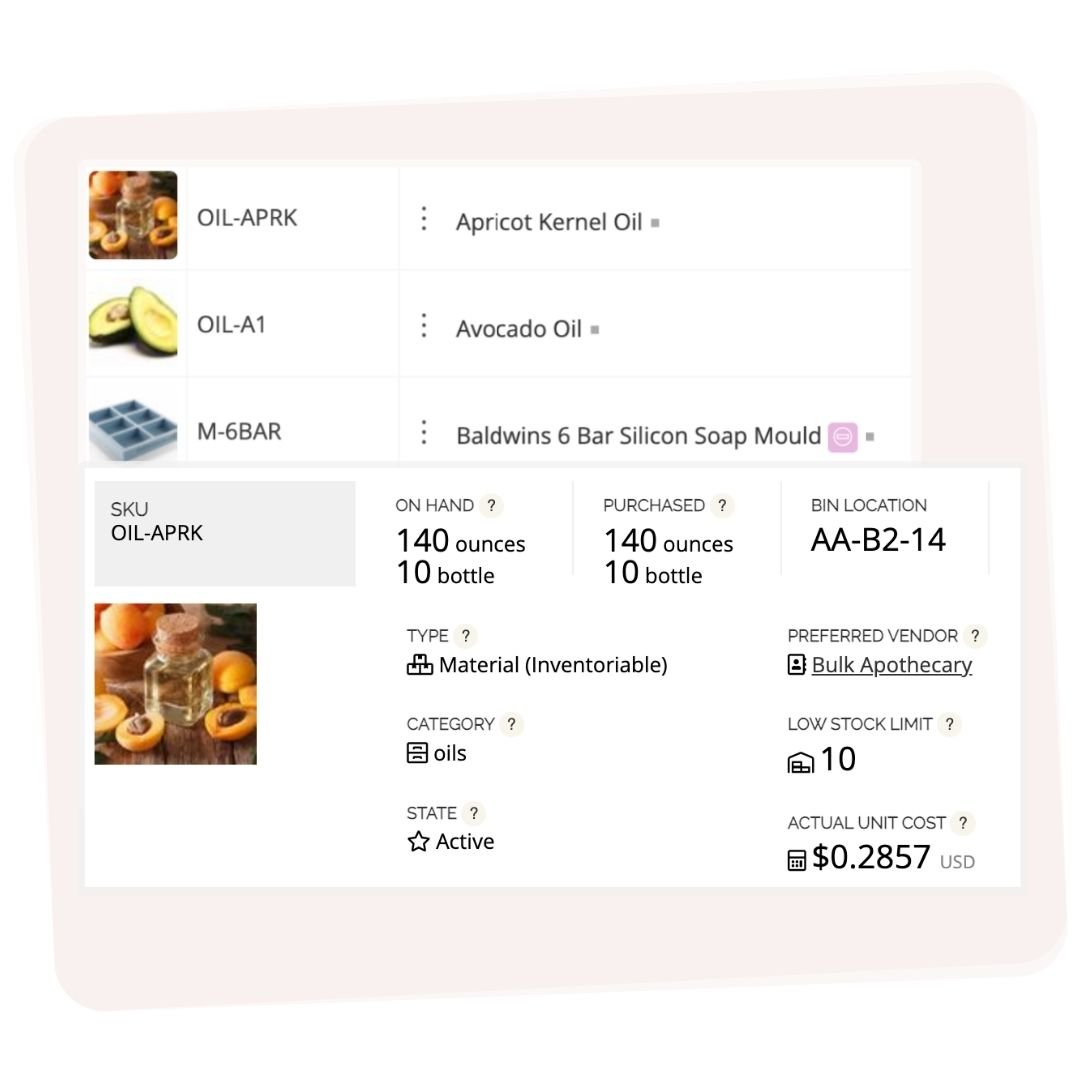
- Yes. You can create separate recipes for every spirit type you produce — each with its own mash bill or botanical bill, ingredient quantities, and expected bottle yield. A whiskey recipe will include grain, yeast, water, and packaging. A gin recipe adds botanicals (juniper, coriander, angelica root, citrus peel). Craftybase tracks inventory and costs independently for each spirit, so you can see which types are most profitable and where your production costs differ across runs.
- How does Craftybase calculate COGS per bottle for a craft distillery?
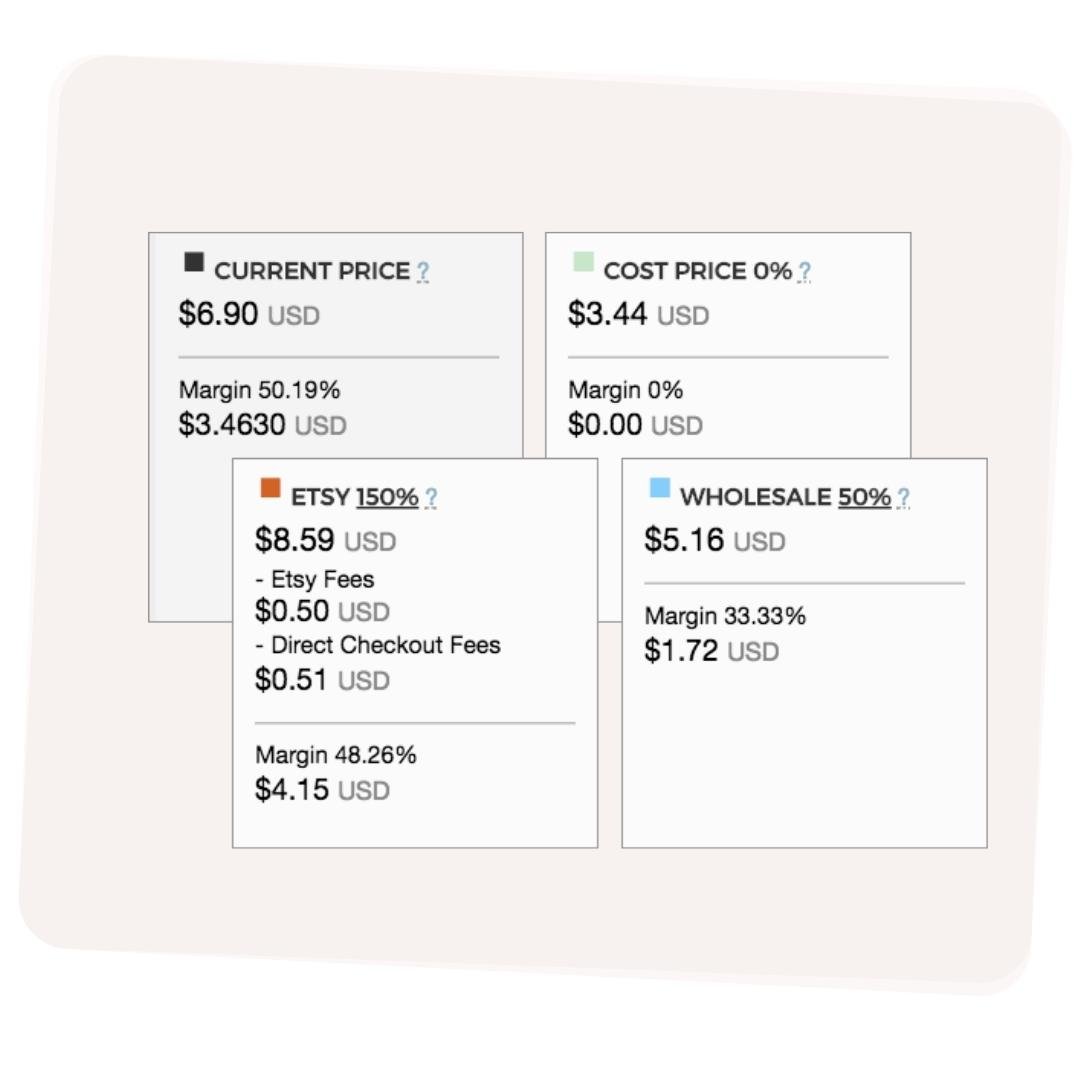
- You create a recipe in Craftybase for each spirit type, specifying how much of each input goes into a production batch and how many bottles that batch yields. Craftybase uses your actual purchase history to calculate the material cost per batch and the cost per bottle. Packaging (bottles, corks, labels, capsules, wax) is included when added to the recipe. When grain or botanical prices change, your per-bottle costs update automatically without manual recalculation. This gives you a real COGS figure — not a rough estimate.
- Does Craftybase handle barrel ageing tracking?
- Craftybase handles the materials and cost side of barrel ageing — you can record barrel fill dates, log the spirit type and batch details, and track barrels as a material cost in your recipes. What Craftybase doesn’t do is complex barrel genealogy or TTB-style barrel registry management (that’s the territory of dedicated distillery ERP systems like Ekos). If your primary need is knowing what each barrel batch costs and tracking when it goes to bottle, Craftybase handles that well without enterprise complexity.
- Can I use Craftybase alongside compliance or reporting software?
- Yes. Craftybase focuses on inventory tracking, recipe costing, and COGS — it’s not a TTB compliance or excise reporting tool. Most craft distillers use Craftybase for production costing and bookkeeping alongside a compliance tool for regulatory reporting. The two don’t overlap, so there’s no conflict. Your accountant gets the COGS and financial data from Craftybase; your compliance obligations are handled separately by whichever tool you use for that.
- Is Craftybase suitable for a micro distillery producing under 10,000 cases a year?
- Yes. Craftybase is built specifically for small-batch craft producers, not large commercial operations. Plans start at $24/month with a free 14-day trial and no credit card required. There’s no minimum production volume, no dedicated hardware, and nothing to install — it works from any browser. Whether you’re producing a few hundred cases a year from a small still or scaling toward a few thousand, Craftybase gives you the inventory and costing visibility you need without the enterprise software price tag that tools like Ekos carry.
- How is distillery management software different from a spreadsheet?
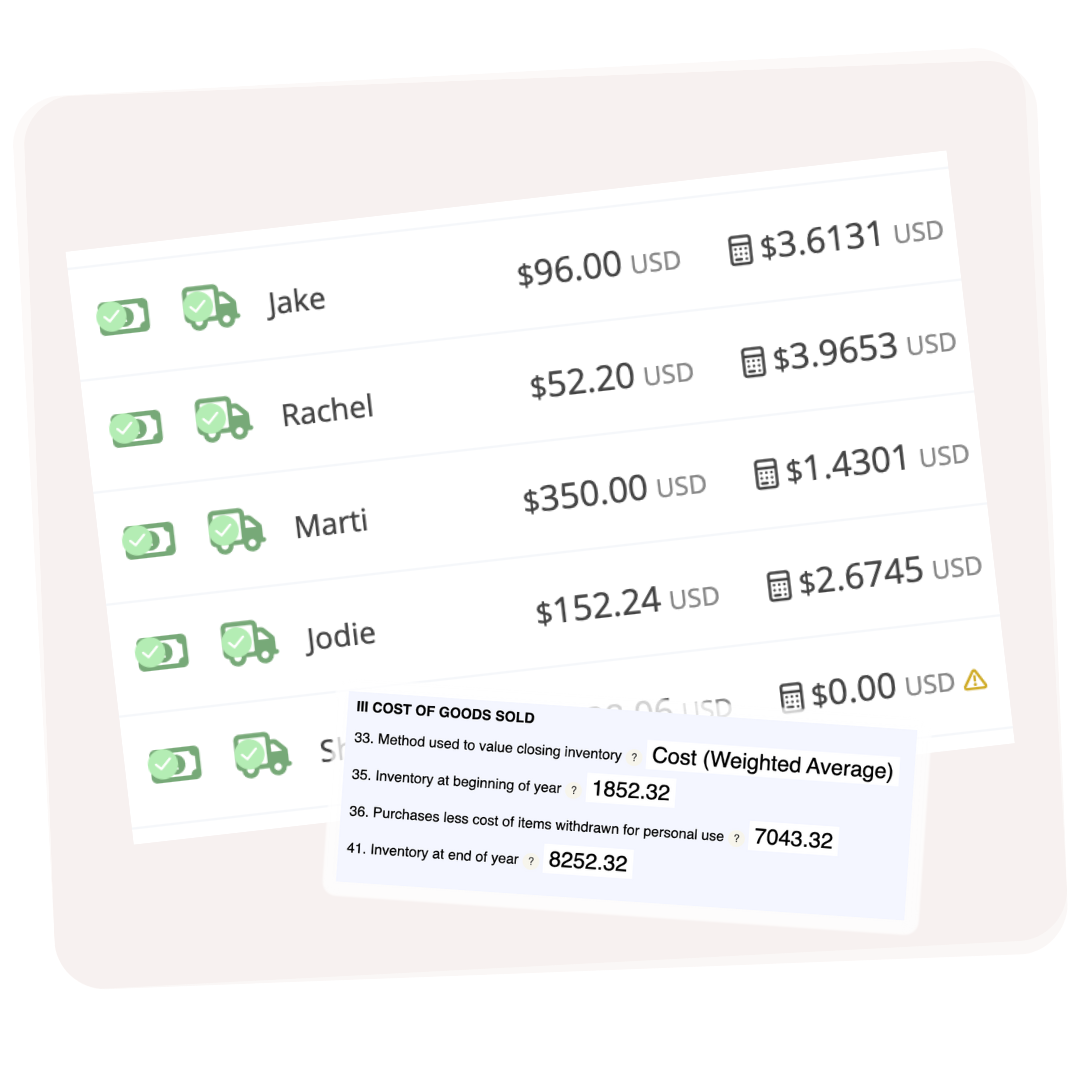
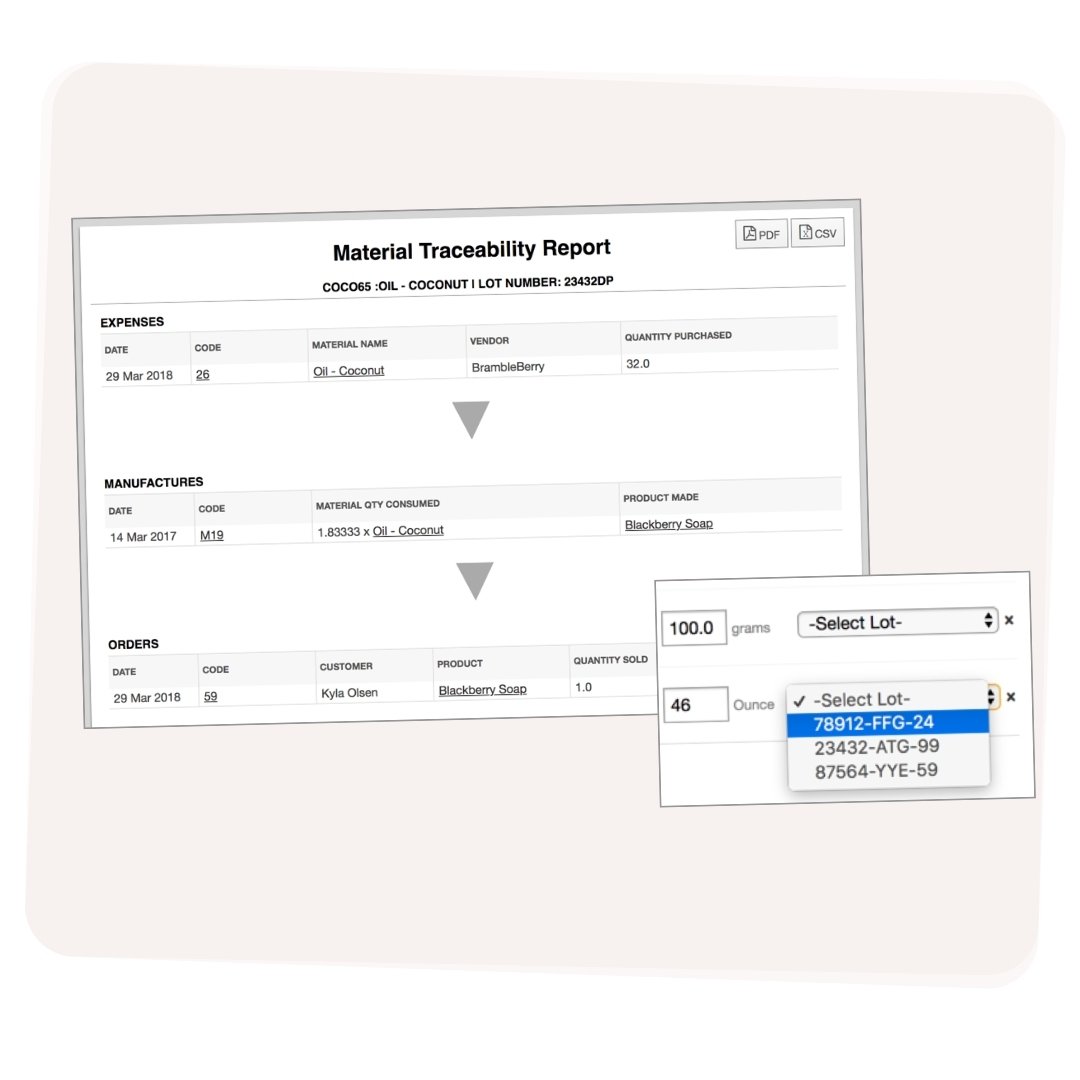
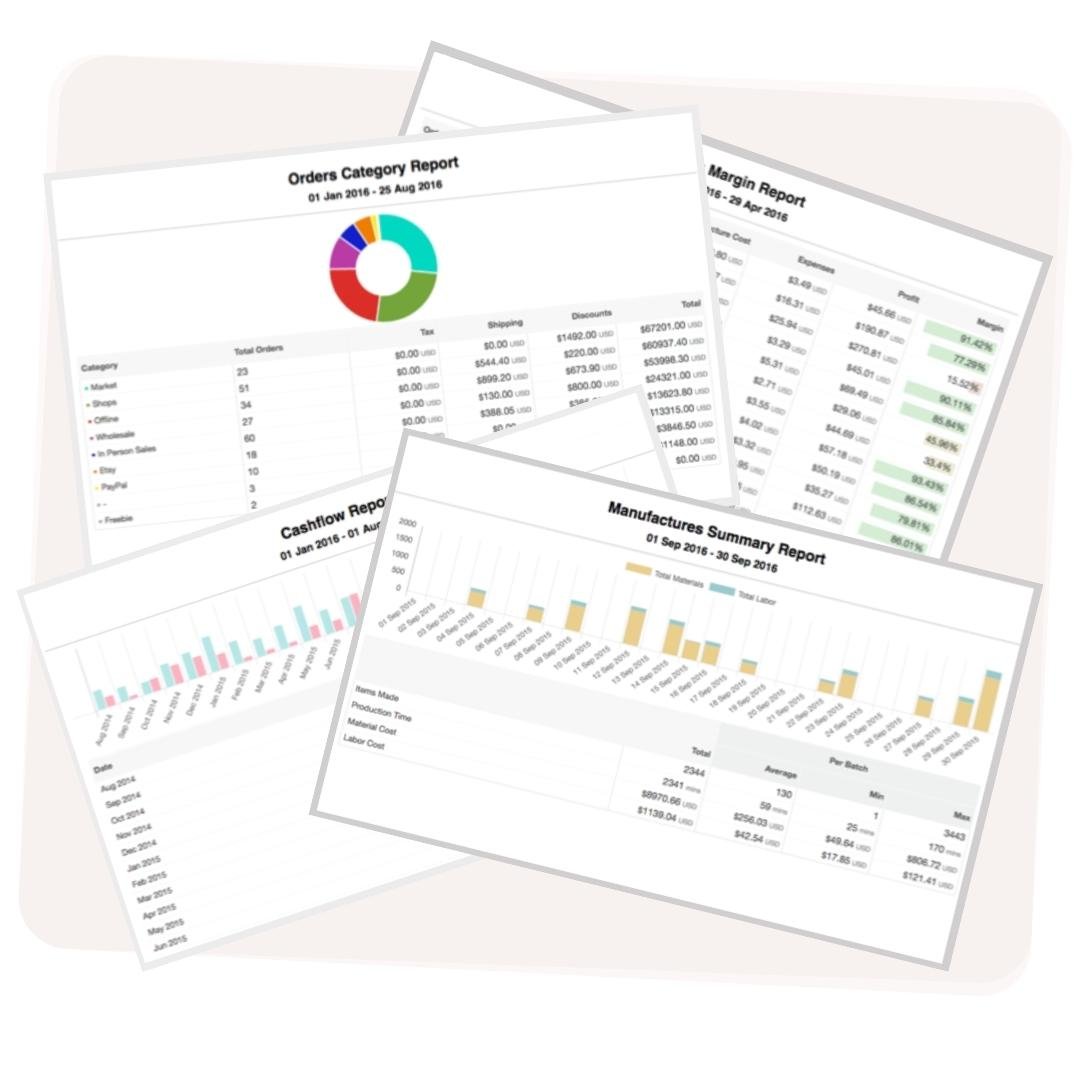
- Spreadsheets require you to manually update stock quantities every time you buy ingredients, complete a batch, or sell bottles — and errors accumulate quickly across a multi-step production process. Craftybase automates the tedious parts: material levels deduct when you log a still run, orders import from Shopify overnight, and your COGS grows throughout the year as you sell. You also get features spreadsheets can’t offer: low-stock alerts, per-bottle pricing guidance, lot tracking, tax-ready COGS reports, and a full purchase history with rolling average costs — all without building or maintaining complex formulas.
- What does distillery inventory software cost?
- Craftybase plans start at $24/month (billed annually) with a free 14-day trial. There’s no credit card required to start, and the full feature set — recipe costing, ingredient tracking, Shopify sync, COGS reports, and tax reports — is available on all paid plans. Unlike dedicated distillery software built for commercial operations, Craftybase is priced for small craft makers and micro distillery owners.